Transforming a small bathroom into a functional, stylish space starts with a clear plan. Small bathroom ideas should prioritize efficient layouts, smart fixtures, and ample storage while keeping the space feeling calm and open. This guide combines practical tips with design principles to help homeowners, designers, and renovators achieve EEAT—the combination of expertise, authoritativeness, and trustworthiness you expect from credible space-planning advice.
Smart layout and zoning
In compact rooms, layout is everything. Start by measuring the space and identifying the location of plumbing and electrical lines. A popular approach is to create a straightforward one-wall or corner layout that minimizes corridors and maximizes usable surface area. If possible, install a shower instead of a tub, or opt for a corner shower with a clear glass enclosure to maintain visual openness. Elevate efficiency by grouping wet zones (toilet, sink, shower) on one wall, which simplifies plumbing and reduces clashing lines. When ceiling height allows, a slender vertical mirror can visually extend the room without crowding the footprint.
Door and entry considerations
Sliding or pocket doors save floor space and improve accessibility. If a door swing is unavoidable, ensure there’s enough clearance for a comfortable entry and exit. Pocket doors are particularly effective in narrow bathrooms where a traditional door would infringe on fixtures or storage.
Fixtures and fittings for small baths
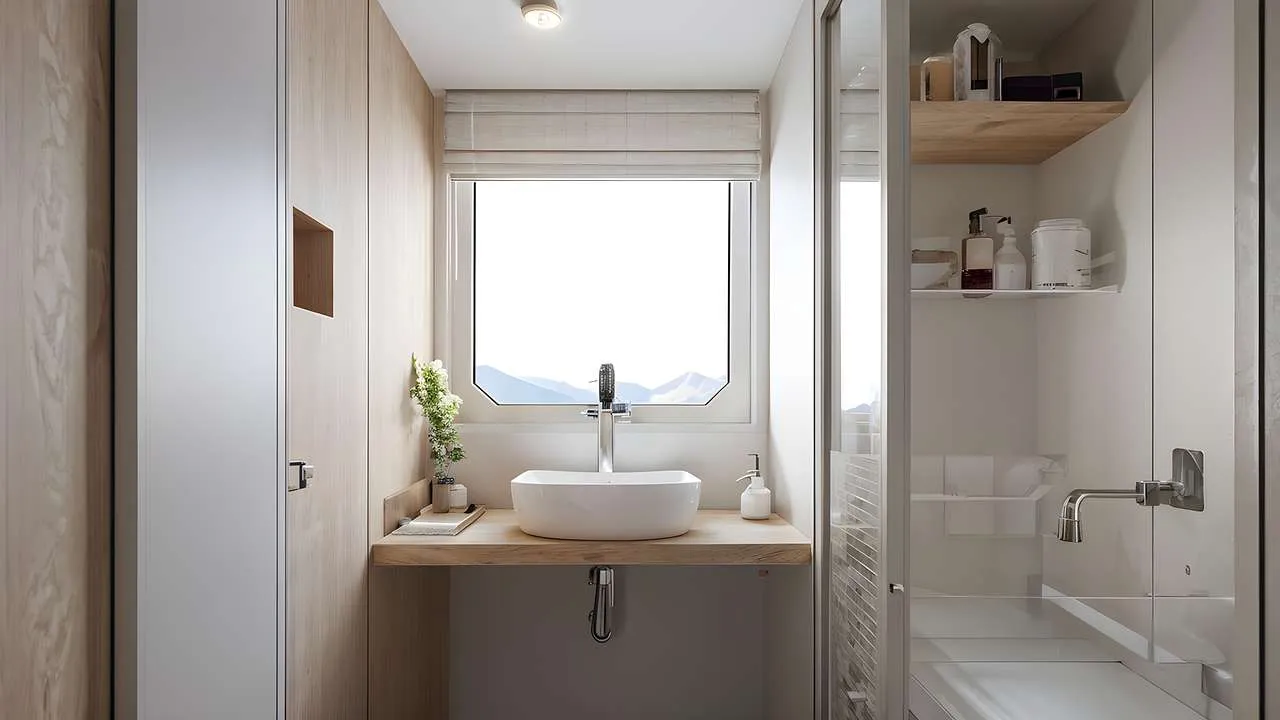
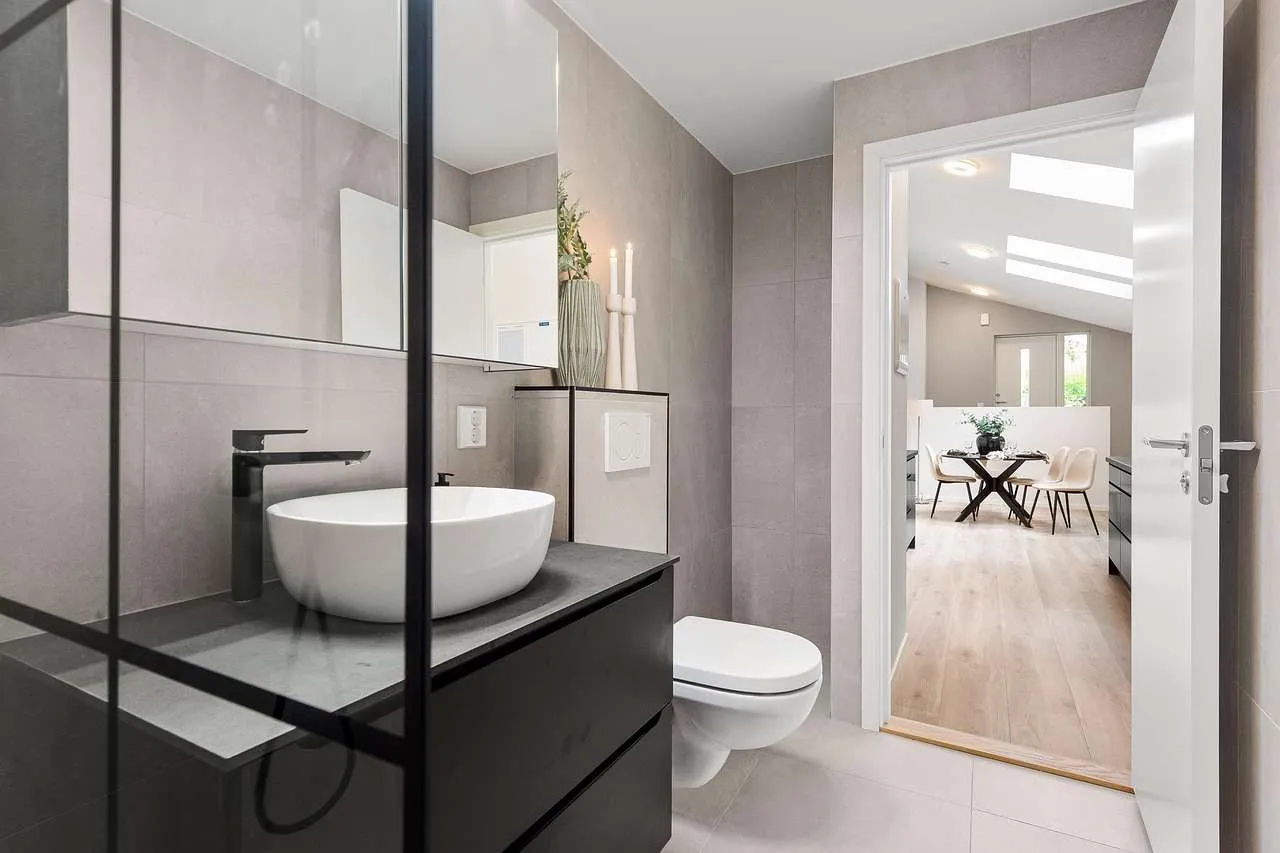
Choosing the right fixtures dramatically impacts perceived space. Wall-hung toilets and vanities keep the floor area visible, creating the sense of a larger room. A wall-mounted sink with a slim vanity or open shelving below reduces bulk while providing essential storage. For showers, opt for a clear glass enclosure with minimal framing and a hinged door rather than a sliding track, which can accumulate grime. If space permits, a recessed shelf within the shower niche and a shallow corner caddy keep shower products organized without encroaching on space.
Water efficiency and durability
Select water-saving faucets and dual-flush toilets to cut water usage without compromising performance. Materials like porcelain, tempered glass, and stone resin are durable and easy to clean, contributing to a long-lasting bathroom that remains fresh with minimal upkeep.
Storage and organization
Storage strategy is the backbone of small bathroom ideas. Vertical storage, such as tall linen cabinets or recessed niches, makes use of forgotten space without intruding on the floor. Consider floating vanities with drawers or pull-out organizers and magnetic strips for small metal grooming tools. Use baskets and bins inside cabinets to keep items grouped by function, and install a narrow cabinet above the toilet for toiletries you use daily. A mirrored medicine cabinet doubles as a storage and lighting element, helping to brighten the room while tucking away essentials.
Materials, color, and lighting
Light, neutral tones with a touch of contrast create a timeless look and visually expand a small bathroom. Large-format porcelain tiles reduce grout lines, while white or pale gray palettes reflect light. If you prefer color, apply it as accents—towels, rugs, or a single bold tile as a focal point—so the space remains airy. Layered lighting is essential: a bright, shadow-free overhead light, paired with task lighting around the mirror, prevents dark corners. Consider recessed lighting or wall sconces that don’t protrude into the room and a reflective backsplash to amplify brightness.
Budget-friendly tips and maintenance
Small bathroom ideas don’t have to break the bank. Prioritize fixtures that offer the most impact per dollar, such as a compact vanity, a frameless shower door, and smart storage solutions. Replacing only what’s visible in a bathroom can yield a modern refresh without a full remodel. Regular cleaning and sealing of grout lines prevent staining and prolong the life of your investment. When budgeting, allocate a portion to essential updates (plumbing, ventilation, waterproofing) to ensure the space stays durable and compliant with moisture standards.
Maintenance, safety, and accessibility
Moisture management is crucial in small bathrooms. Ensure proper ventilation with an exhaust fan rated for the room size and consider a humidity sensor switch to maintain air quality. Slip-resistant flooring, grab bars near the shower/toilet, and accessible-height storage increase safety, especially in multi-user homes or aging-in-place scenarios. Regular checks for leaks and sealant integrity help prevent costly damages over time.
Comparison: Traditional vs Modern Small Bathroom Designs
| Feature | Traditional Small Bathroom | Modern Small Bathroom | Best For |
|---|---|---|---|
| Layout | Limited storage, dense fixtures | Open sightlines, wall-hung components | Minimalism lovers |
| Fixtures | Tub, bulky vanity | Shower, wall-mounted vanity | Maximized floor space |
| Storage | Crenelated cabinets | Niches, floating shelves | Organization seekers |
| Materials | Heavy materials | Large-format tiles, glass | Light-reflective finishes |
| Lighting | Single overhead | Layered (ambient + task) | Bright, functional spaces |
Conclusion: turning small ideas into big results
With thoughtful layout, compact fixtures, smart storage, and a bright material palette, small bathroom ideas can deliver a space that feels larger, more efficient, and distinctly comfortable. Emphasize expert planning, durable materials, and safety considerations to ensure longevity and a space that earns trust—from first glance to daily use. A well-executed small bathroom design is not just about saving inches; it’s about creating a functional, serene retreat that families will value for years to come.
Summary: A well-planned small bathroom combines efficient layouts, space-saving fixtures, clever storage, and bright finishes. By prioritizing ventilation, safety, and durable materials, you achieve a scalable, timeless design that fulfills user needs and earns lasting trust.