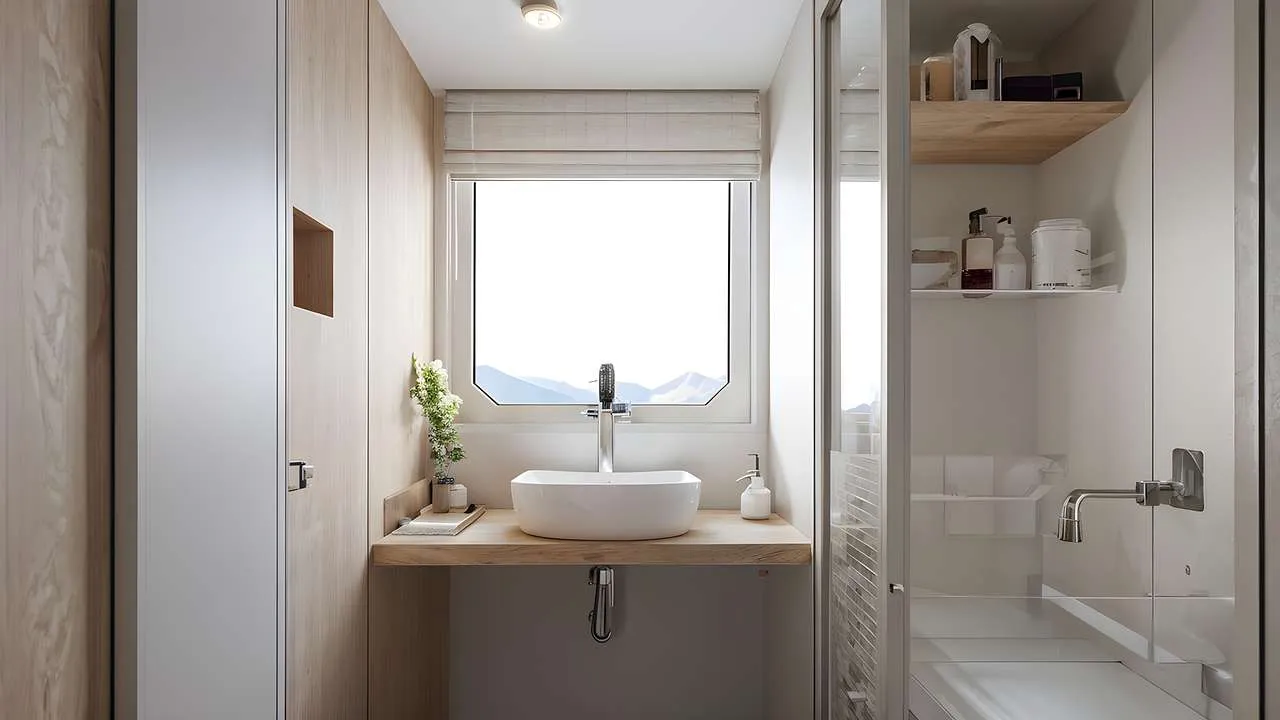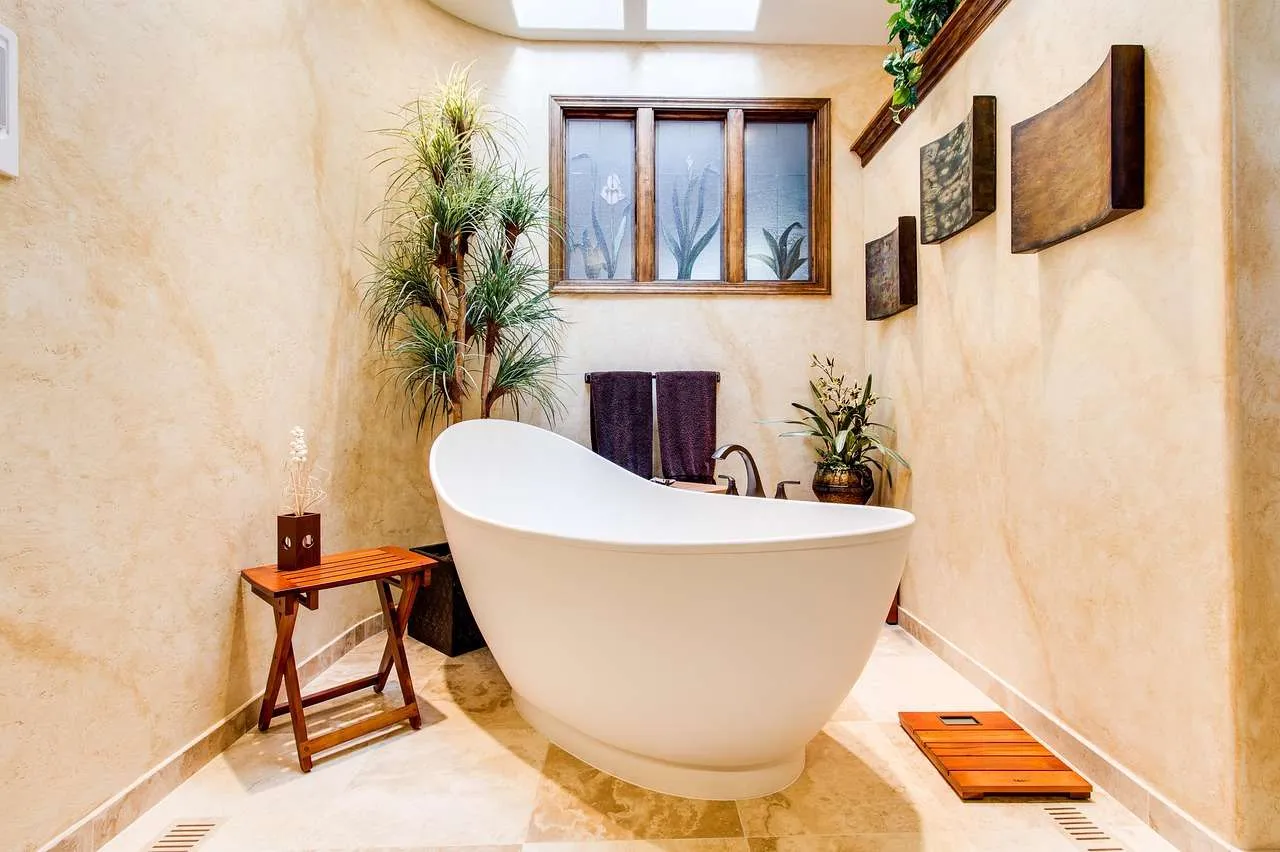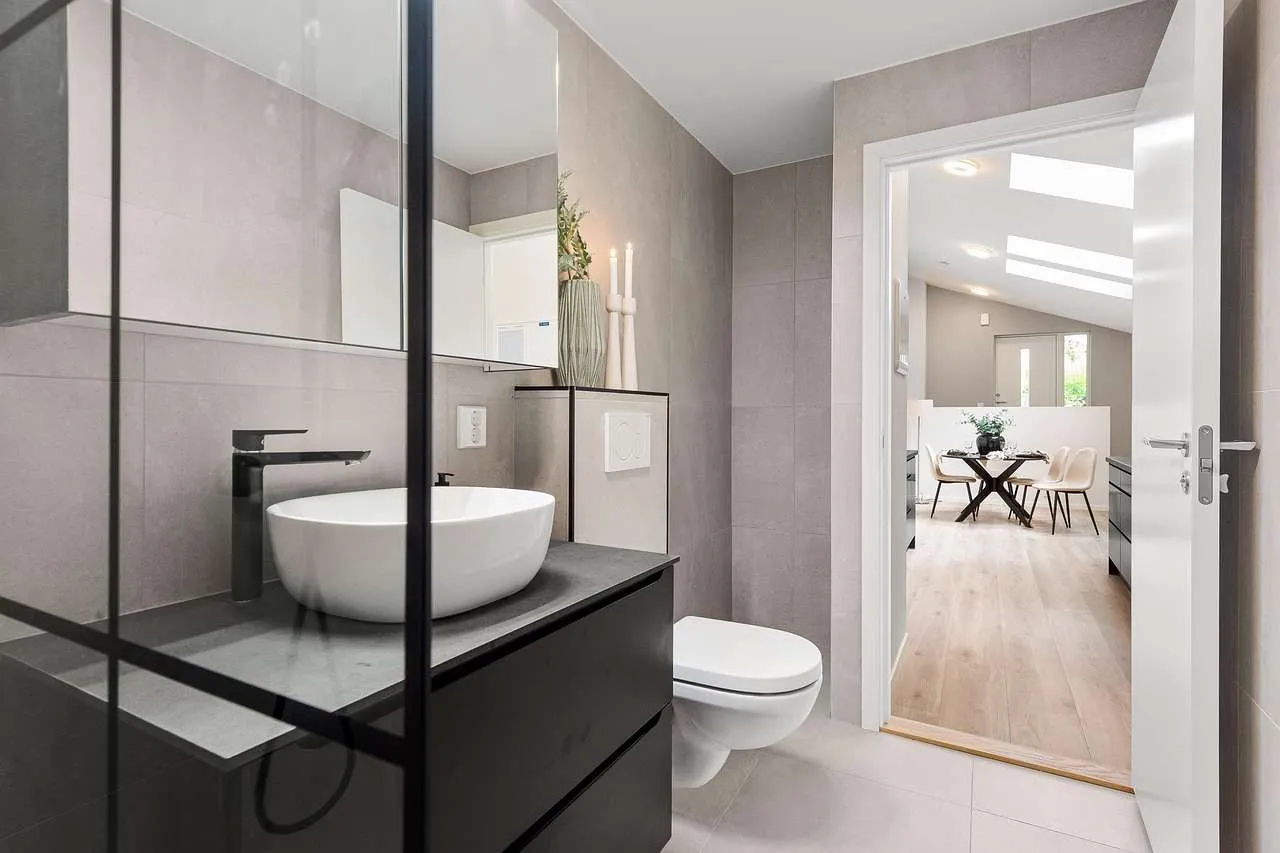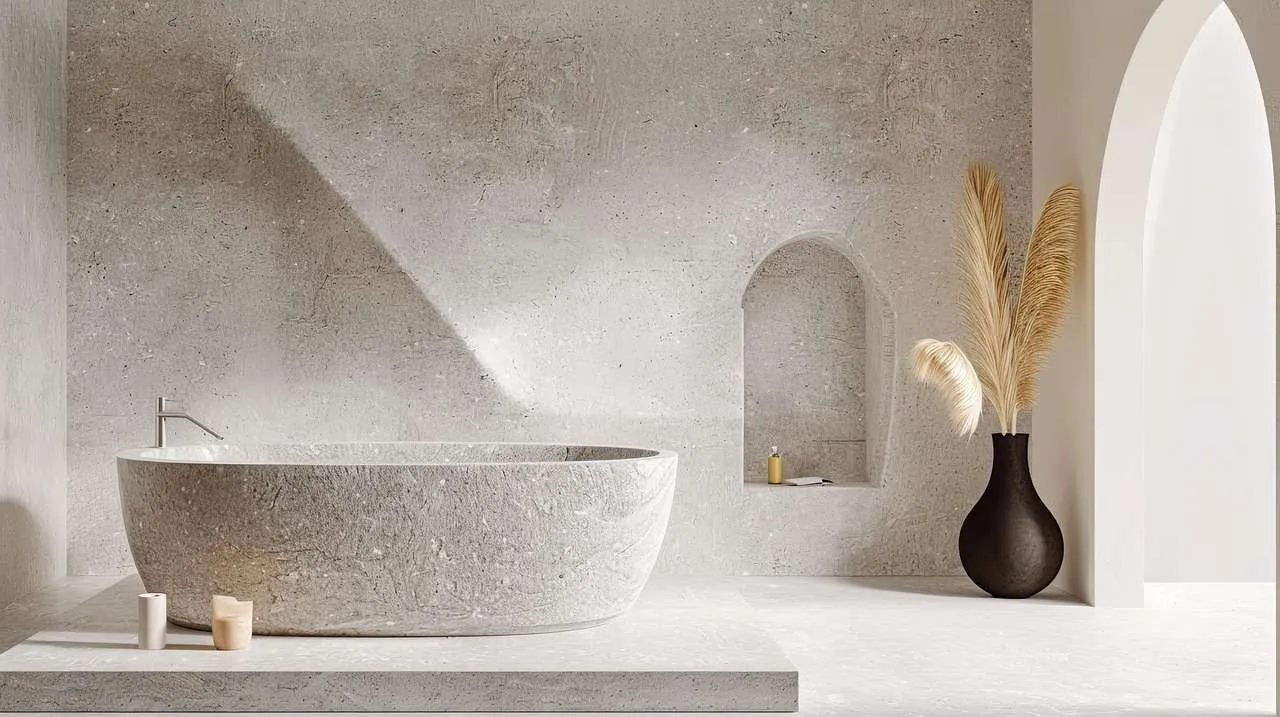
Choosing bathroom tiles is a decision that blends style, function, and longevity. From moisture resistance to slip safety, the right tiles must perform as well as they look. This guide explains core materials, installation considerations, maintenance, and cost to help you select bathroom tiles with confidence. Whether renovating a compact powder room or designing a spa-like retreat, understanding options will save time and money in the long run.
Understanding Tile Materials
Tile materials vary in durability, moisture handling, and visual impact. Selecting the best option requires balancing how the space will be used with how much maintenance you’re willing to perform.
Ceramic Tiles
Ceramic tiles are a budget-friendly choice that comes in a wide range of colors, patterns, and sizes. They’re nonporous when glazed and relatively easy to cut for DIY installation. On walls and backsplashes they excel, while floors in high-traffic bathrooms may benefit from denser options.
Porcelain Tiles
Porcelain tiles are dense and highly water-resistant, making them ideal for both floors and wet areas. They resist wear and have minimal water absorption, which reduces staining and cracking in tough bathrooms. Pattern variety can rival ceramic, though some designs carry a premium.
Natural Stone
Natural stone such as marble, travertine, or slate offers premium aesthetics and unique veining. Stone requires sealing to protect against moisture and stains and may need more ongoing maintenance. Avoid acidic cleaners that can etch softer stones.
Glass Tiles
Glass tiles add brilliance, reflect light, and create the illusion of a larger space. They’re popular for backsplashes and shower niches. On floors they can be slippery and fragile, so use them strategically or choose textured, slip-resistant options.
Choosing the Right Tile for Your Bathroom
Modern bathrooms demand tiles with strong moisture performance and appropriate slip resistance. Look for floor tiles with a dynamic friction coefficient (DCOF) rating of at least 0.42 for wet areas. Consider tile size and layout: larger tiles reduce grout lines and can feel roomier, while smaller tiles offer better grip in showers. Color and pattern should coordinate with fixtures, vanity, and lighting to create the desired mood.
- Choose continuity: carry floor tile from room to room for cohesion
- Mix textures to balance style and safety
- Match grout color to tile for a seamless look
Installation Considerations
Professional installation is recommended for bathrooms because waterproofing matters. Hire a licensed contractor for complex layouts or large tiled surfaces. Substrates should be solid, clean, and flat. Use a cement backer board in wet areas and waterproof membranes behind the tile. A high-quality thin-set mortar and proper grout joints improve longevity. Sealing natural stone and selecting epoxy grout for glass or metal accents can reduce maintenance and staining.
Maintenance and Longevity
Maintenance determines how long bathroom tiles stay attractive. Ceramic and porcelain are relatively low-maintenance and respond well to regular cleaning with non-acidic cleaners. Natural stone requires periodic sealing and more gentle cleaners to prevent etching. Grout upkeep is essential; unsealed grout can darken and harbor mold. Re-seal stone annually or as recommended by the manufacturer, and regrout as needed to keep showers watertight.
Cost and Value
Costs vary widely by material, size, and installation. On average, ceramic tiles cost around 1–3 USD per sq ft for material, porcelain 2–5 USD, natural stone 5–15 USD, and glass 7–18 USD, not including installation. Labor can add substantially. Despite higher upfront costs, premium tiles can raise home value and reduce long-term maintenance if selected with durability and proper sealing in mind.
| Material | Pros | Cons | Typical Cost (per sq ft) | Maintenance |
|---|---|---|---|---|
| Ceramic | Affordable, versatile | Less durable than porcelain | 1–3 | Regular cleaning; minimal sealing |
| Porcelain | High durability, water resistant | Pattern variety can be limited | 2–5 | Easy to clean; grout occasionally |
| Natural Stone | Luxurious, unique | Porous; sealing required | 5–15 | Seal periodically; avoid harsh cleaners |
| Glass | Bright, modern | Slippery on floors; risk of chipping | 7–18 | Non-porous; simple cleaning |
When budgeting, also consider cutting, waste, and the cost of professional labor. A well-planned tile project reduces recalls and returns, and a trusted installer provides a warranty that reinforces long-term reliability.
Design Trends and Practical Tips
Contemporary looks favor large-format porcelain on floors paired with glass or ceramic wall tiles for contrast. Textured finishes improve grip in wet zones, while lighter shades brighten small bathrooms. For a timeless feel, pair natural stone accents with neutral grout and restrained hardware. Always request sample boards and verify slip ratings, warranty terms, and care instructions before purchasing.
Conclusion, selecting bathroom tiles involves balancing material performance, installation quality, and ongoing care. Ceramic and porcelain deliver durable, cost-effective options; natural stone offers timeless luxury with sealing; glass tiles add brightness and texture. Prioritize professional waterproofing and regular grout maintenance to maximize longevity and value.