Choosing bathroom tile is more than choosing color—it's a decision that affects durability, safety, and daily comfort. In bathrooms, tiles must handle moisture, temperature changes, and foot traffic, while still delivering style. A well-chosen tile plan can elevate a space, increase home value, and reduce maintenance when paired with quality installation and care. This guide shares practical, evidence-based insights on selecting materials, planning layouts, and maintaining bathroom tile for long-term performance.
Tile materials: what to know
Ceramic tile
Ceramic tiles are budget-friendly, come in many colors and patterns, and are suitable for walls and floors in low-to-moderate traffic areas. They are fired clay with a glaze that resists moisture well but can be chipped by heavy impact. For floors in moisture-prone zones, consider a higher grade or glaze rated for floors.
Porcelain tile
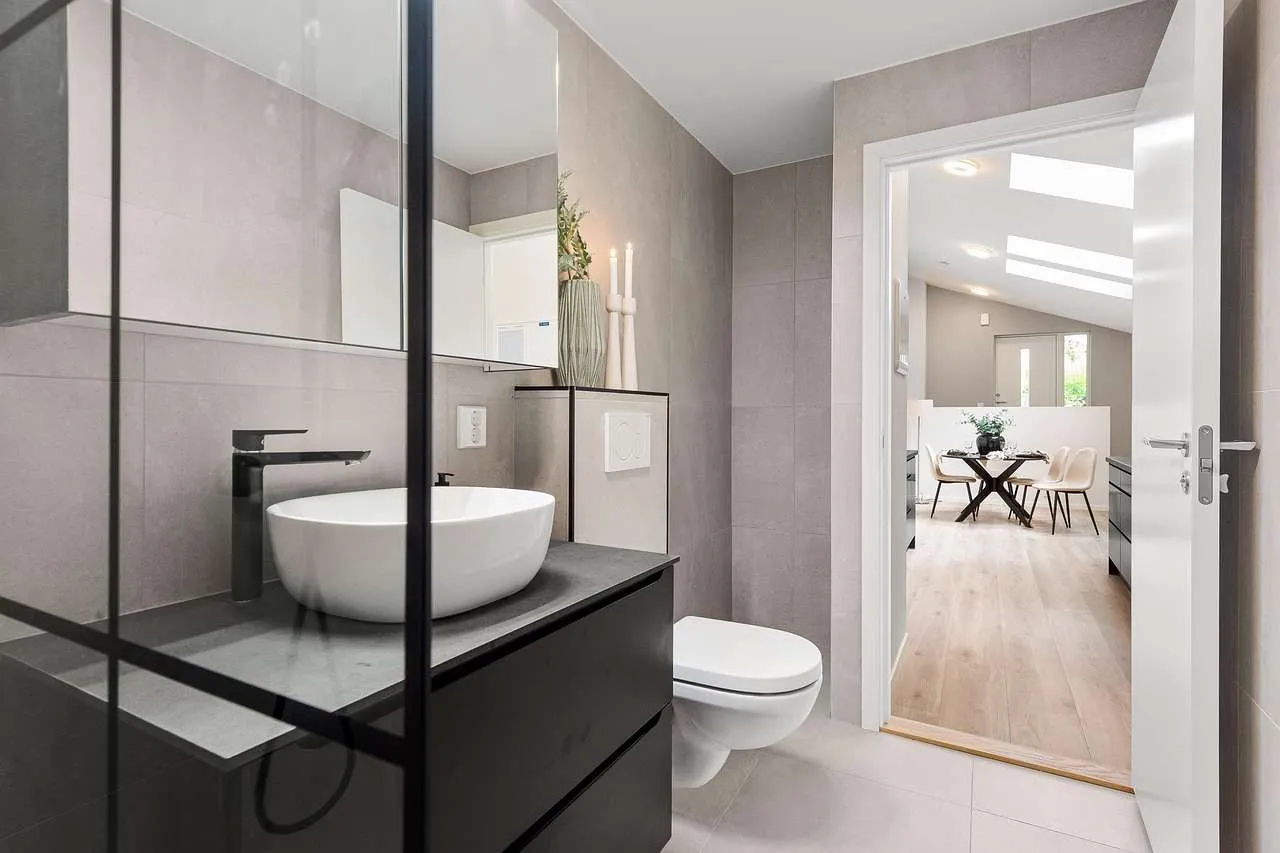
Porcelain is a dense, water-resistant ceramic variant that performs well on floors and in showers. It resists staining and wear, but can be harder to cut and install; plan layout carefully or hire a professional with experience in porcelain cutting and setting.
Natural stone tile
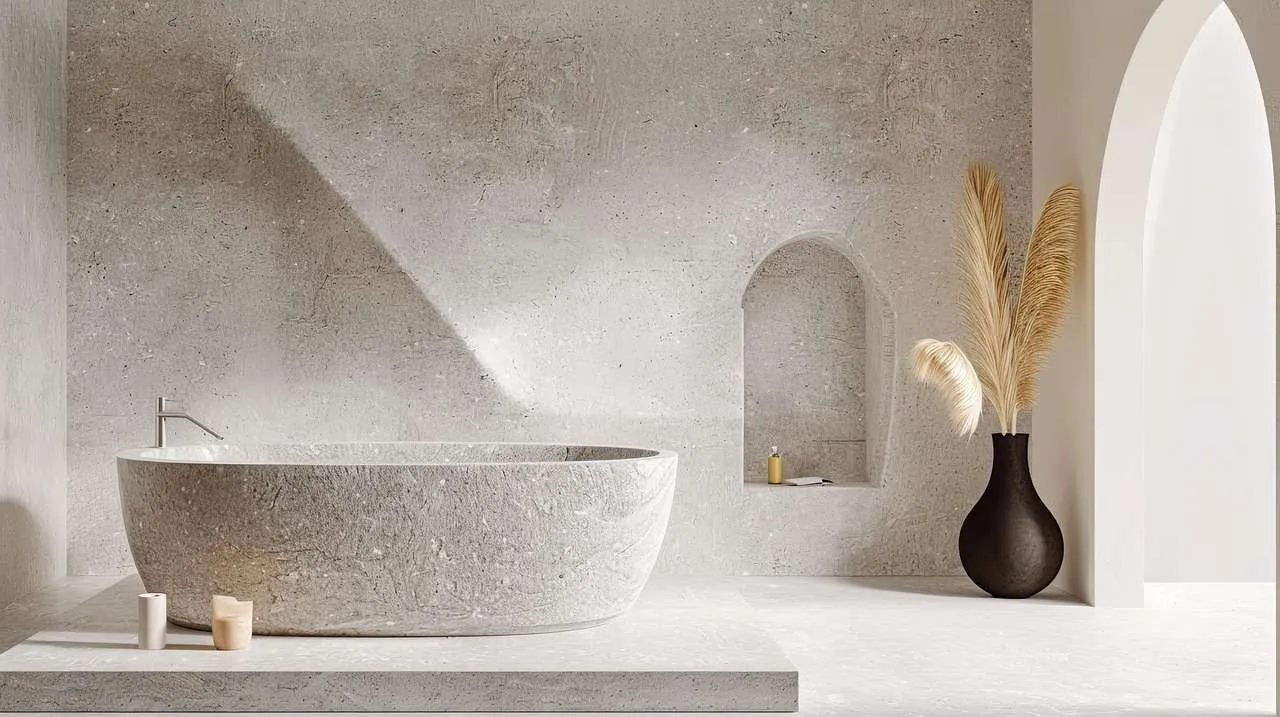
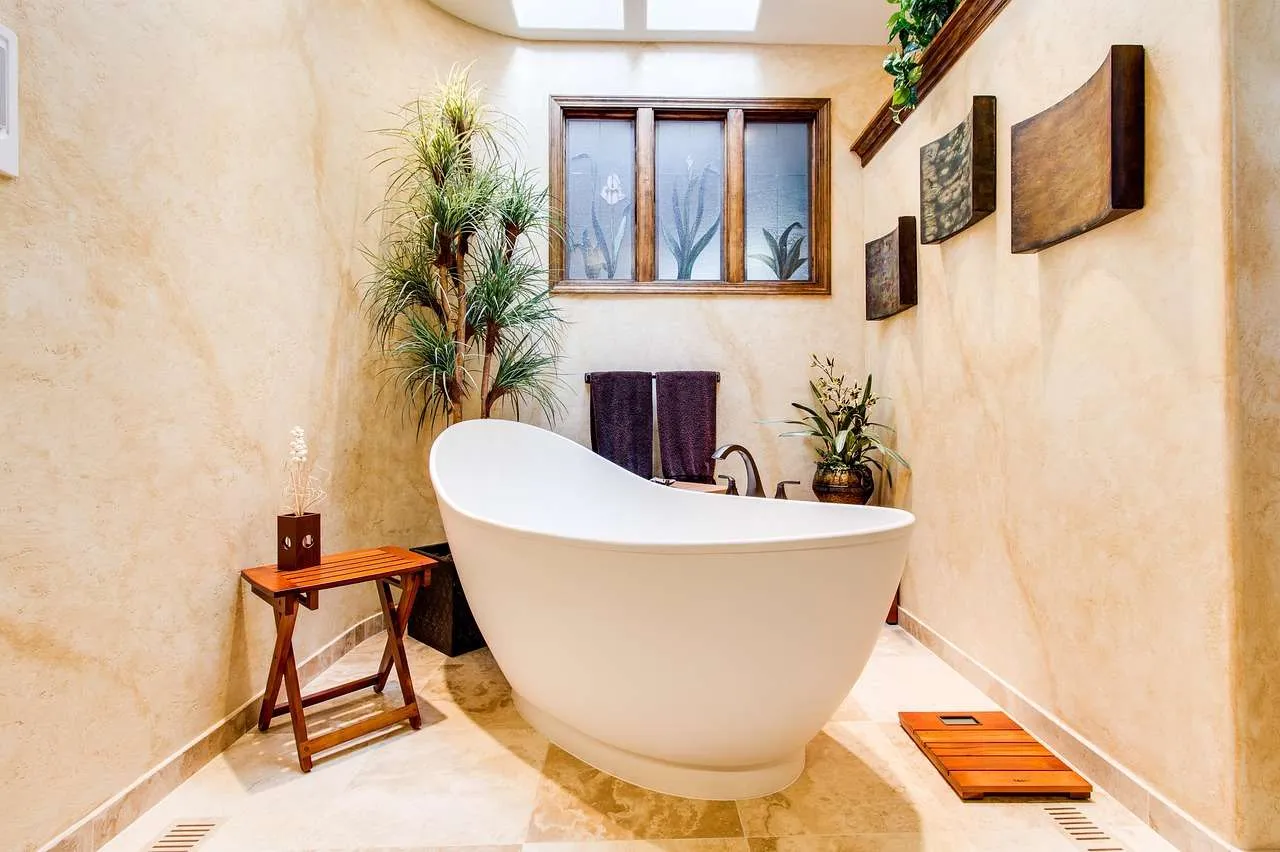
Stone like marble, travertine, or slate adds luxury, but needs sealing and periodic maintenance. Stone is usually more porous and can be etched by acids; use sealers and be mindful of cleaning products.
Glass and other specialty tiles
Glass tiles create glow and reflectors but can be slippery when used on floors and may show water spots. They are excellent for accents or shower backsplashes.
Design and layout ideas
Consider tile size: larger formats can visually expand small bathrooms; smaller mosaics add texture. Pattern choices: straight lay, herringbone, or pull-in accent borders can create interest. For shower enclosures, ensure proper waterproofing and grout choices. Matching grout color to tile size reduces visual lines, while high-contrast grout can highlight patterns.
Installation basics
Preparation
Surface must be clean, dry, and structurally sound. Use a cement backer board in wet areas and apply a prime coat to improve adhesion. Waterproofing membranes under tile are recommended for showers and wet rooms.
Grout and sealing
Choose cement-based or epoxy grout based on moisture exposure and maintenance tolerance. Epoxy grout resists stains but may require skilled application. Sealing natural stone and some porous ceramic surfaces can extend life.
Maintenance and care
Regular cleaning with non-abrasive cleaners prevents dulling. Wipe down after showers to minimize soap scum; reseal natural stone every 1-2 years, or as recommended by the manufacturer. Replace cracked tiles promptly to prevent water damage and mold.
Cost, budget, and hiring a pro
Tile costs vary widely by material, size, and region. Ceramic is generally the most affordable, porcelain mid-range, natural stone premium. Labor costs for professional installation can equal or exceed material costs, especially for intricate patterns or showers. Always request written quotes, check references, and ensure the installer is licensed or insured where required. A well-planned budget includes underlayment, waterproofing, grout, sealers, and contingencies for breakage.
Comparison of common tile types
| Tile Type | Pros | Cons | Best For |
|---|---|---|---|
| Ceramic | Affordable, wide selection | Less durable on floors; potential chipping | Walls, light-traffic floors |
| Porcelain | Dense, water-resistant, durable | Hard to cut; higher cost | Floors, showers, wet areas |
| Natural Stone | Luxurious look; unique variation | Porous; sealing required; maintenance | Bathrooms with premium feel |
| Glass | Bright, modern, reflects light | Slick when wet; fragile edges | Accent walls, backsplashes |
We also emphasize safety with appropriate slip resistance ratings for floors. Look for tiles with a high DCOF (Dynamic Coefficient of Friction) rating suitable for wet rooms. In addition, consider environmental impact: many ceramic and porcelain tiles are made with low VOC emissions and use water-saving manufacturing processes; look for certifications when possible.
When choosing a tile, keep practicalities in mind: moisture exposure, heat tolerance, and cleaning routines. For busy households, a mix of porcelain for floors and ceramic or glass accents can offer durability without sacrificing style, while natural stone can be reserved for dry areas with proper sealing and care. Partner with a qualified installer who can confirm substrate readiness and ensure proper waterproofing and setting methods to maximize tile longevity.
Maintenance tips: use recommended cleaners, avoid acidic products on stone, and reseal as needed. Regular inspections prevent leaks and mold, protecting both the tile and underlying structures. The right tile plan is an investment that pays back in easier upkeep and improved aesthetics over time.
Conclusion, selecting the right bathroom tile involves balancing material performance, safety, maintenance needs, and design goals. Ceramic and porcelain offer durability and value, natural stone provides luxury with proper sealing, and glass adds light and color. Plan around layout, waterproofing, and a professional installation to ensure long-lasting beauty and a safe, easy-to-clean bathroom space.