With ten years of experience in interior design and a focus on bathroom decor, I help readers transform ordinary spaces into calm, functional retreats. This guide covers color theory, materials, lighting, storage, and styling tricks that stand the test of time. The goal is to deliver content that is both inspirational and actionable, backed by practical knowledge about durability, maintenance, and resale appeal.
Key principles of bathroom decor
Successful bathroom decor blends form and function. Start with a restrained color palette, durable surfaces, and lighting that complements daily routines. A well-designed bath should feel cohesive yet flexible enough to accommodate evolving tastes.
Color and materials
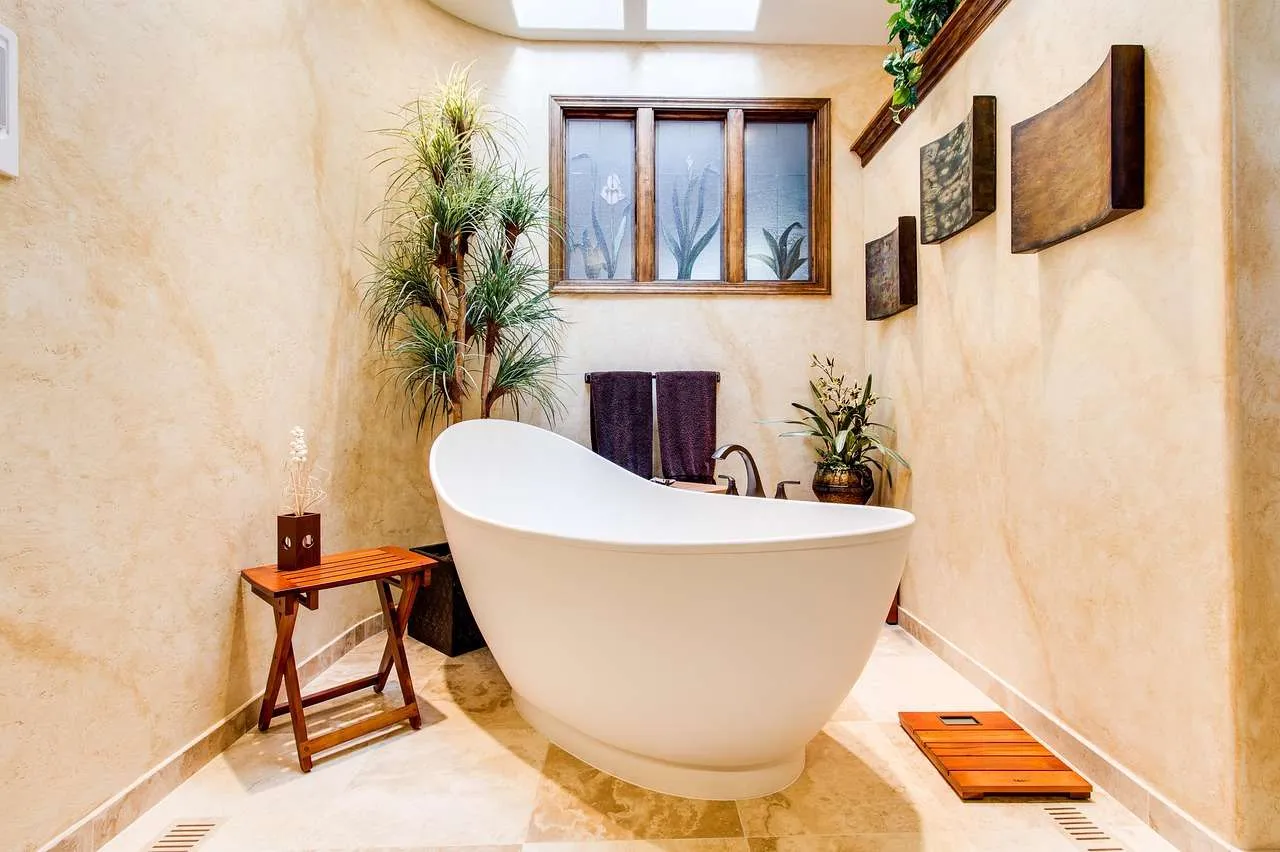
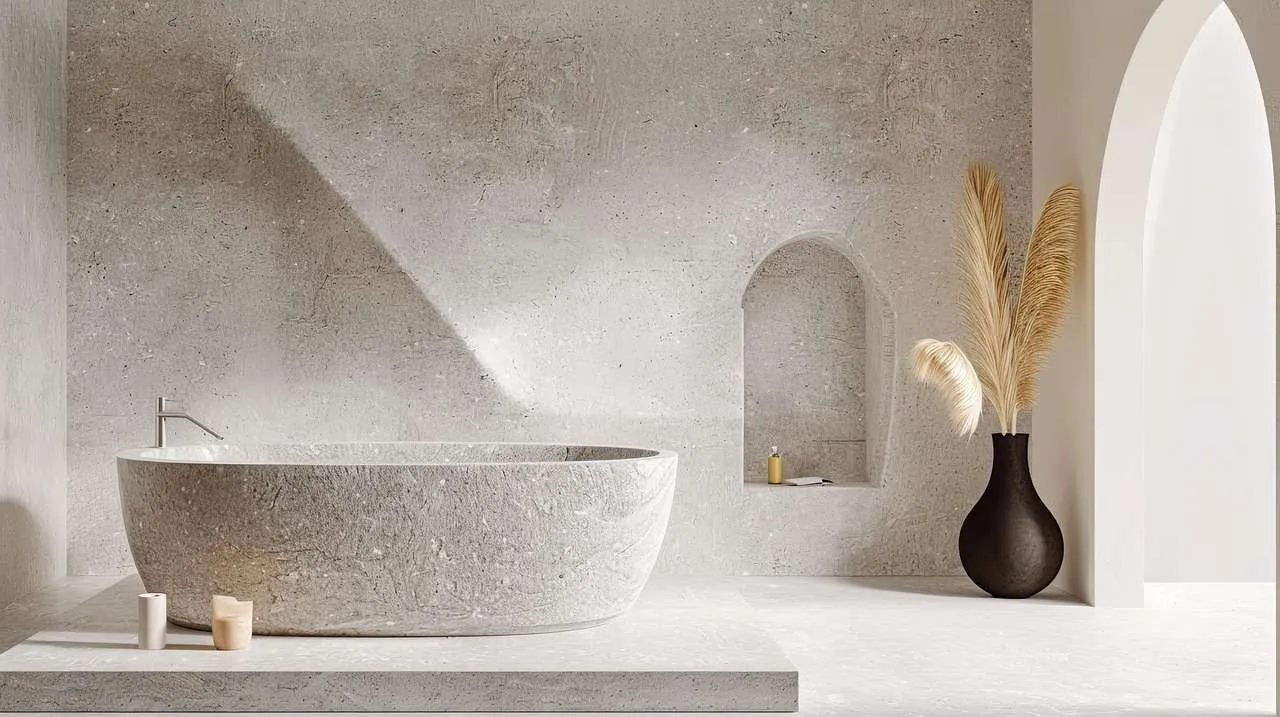
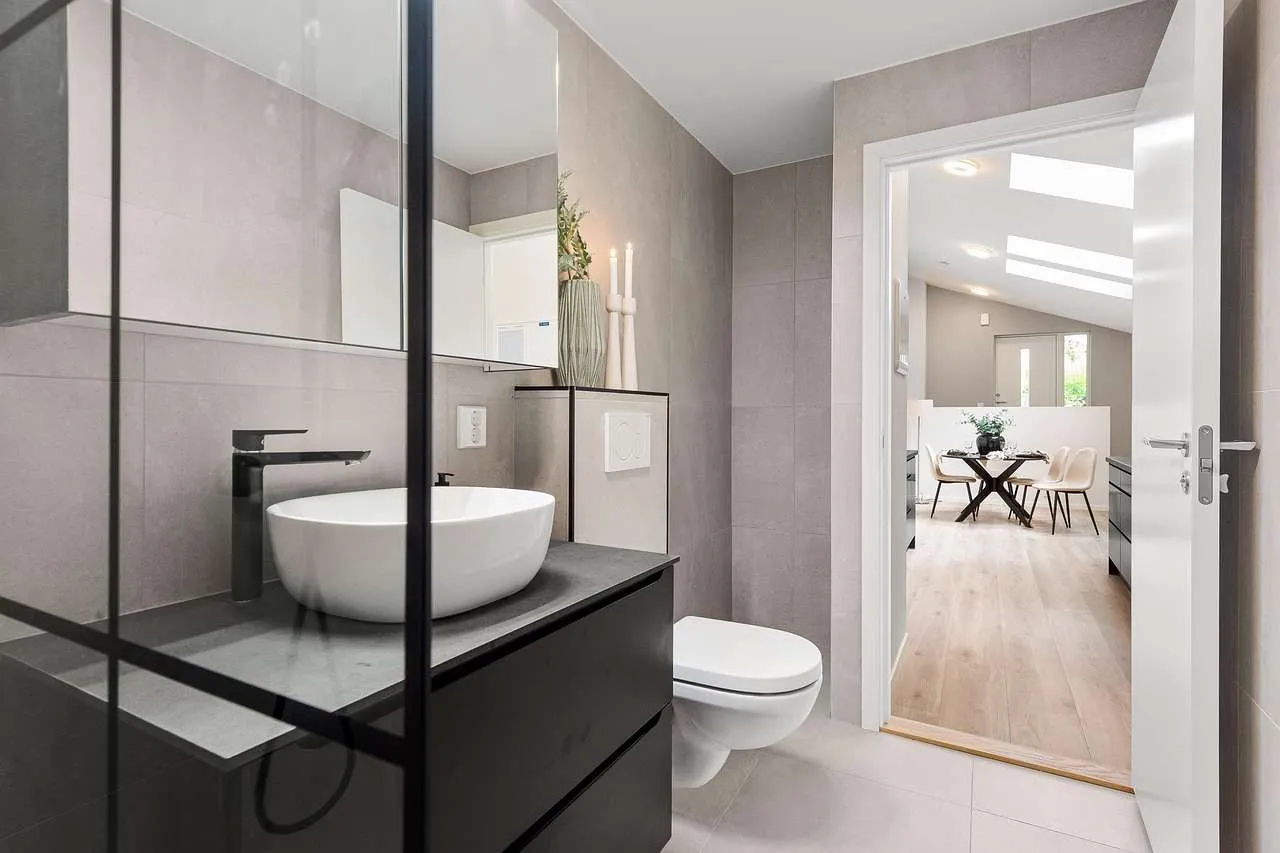
Choose a base color that suits the space and lighting. Light neutrals such as soft greiges or warm whites expand small rooms, while deeper hues work in larger baths. Pair durable materials like porcelain tile, quartz countertops, and solid-surface vanity tops with metal finishes that resist moisture, such as brushed nickel or matte brass. Mix textures—stone, ceramic, wood-look tile, and satin finishes—to add depth without clutter.
Lighting and accessories
Layer lighting into three levels: ambient, task, and accent. Recessed ceiling lights provide general illumination, while vanity lights ensure even task lighting for grooming. Add an accent light behind a mirror or under cabinetry to soften shadows. Accessorize with cohesive hardware, soft textiles, and drought-resistant greenery to create a spa-like atmosphere.
Storage and layout
Clutter control is essential to a polished bathroom decor. Plan a layout that keeps daily essentials within reach yet out of sight. Use vertical storage such as tall cabinets, open shelving for towels, and vanity drawers with dividers. Waterproof, easy-to-clean materials and hidden drainage solutions reduce maintenance while improving usability.
Popular styles and how to mix and match
Different decor styles offer distinct color stories and material cues. The right style for your space should align with architecture, budget, and daily routines. The following table summarizes common bathroom decor styles and when to use them.
| Style | Colors | Materials | Best For | Pros | Cons |
|---|---|---|---|---|---|
| Minimalist | Whites, grays, or monochromes | Porcelain, glass, stainless steel | Small spaces, modern homes | Clean lines, easy maintenance | Can feel cold without warmth |
| Classic | Creams and soft neutrals | Marble, wood veneer, brass | Timeless appeal | Elegant, versatile | Higher maintenance and cost |
| Coastal | Soft blues and sandy neutrals | Ceramic tile, wicker, light wood | Casual, airy vibe | Bright and relaxing | May show wear on light surfaces |
| Spa-inspired | Muted greens, taupe, stone | Natural stone, quartz, matte metals | Resort-like retreat | Calming ambiance | Can be premium-priced |
| Industrial | Charcoal, black, warm wood | Concrete, steel, reclaimed wood | Edgy urban look | Durable and unique | Less warmth, needs balance |
Practical checklist for a lasting bathroom decor
- Define the base palette and select durable finishes with moisture resistance.
- Invest in quality lighting that covers task and ambiance needs.
- Incorporate ample storage without sacrificing style.
- Choose fixtures and hardware in a cohesive finish for a unified look.
- Plan for ventilation and easy maintenance to preserve surfaces.
To keep your bathroom decor current without chasing every trend, layer timeless neutrals with interchangeable accent colors through textiles, towels, and accessories. This approach allows frequent updates with minimal renovations while preserving the space’s integrity.
Conclusion, a thoughtful combination of color, texture, lighting, and storage creates a bathroom that feels larger, calmer, and more functional. By selecting durable materials, coordinating finishes, and balancing form with everyday use, you build a timeless decor that adapts to changing tastes and stays stylish for years to come.