TPO roofing (thermoplastic polyolefin) has surged in popularity for flat and low-slope roofs due to its balance of performance, affordability, and energy efficiency. This guide, rooted in up-to-date industry standards, explains what TPO roofing is, why it’s favored by builders and homeowners, key installation and maintenance considerations, cost expectations, and how to select a qualified installer. By following expert guidance and best practices, you can maximize the lifespan and performance of a TPO roof while preserving the EEAT principles essential for trusted content.
What is TPO Roofing?
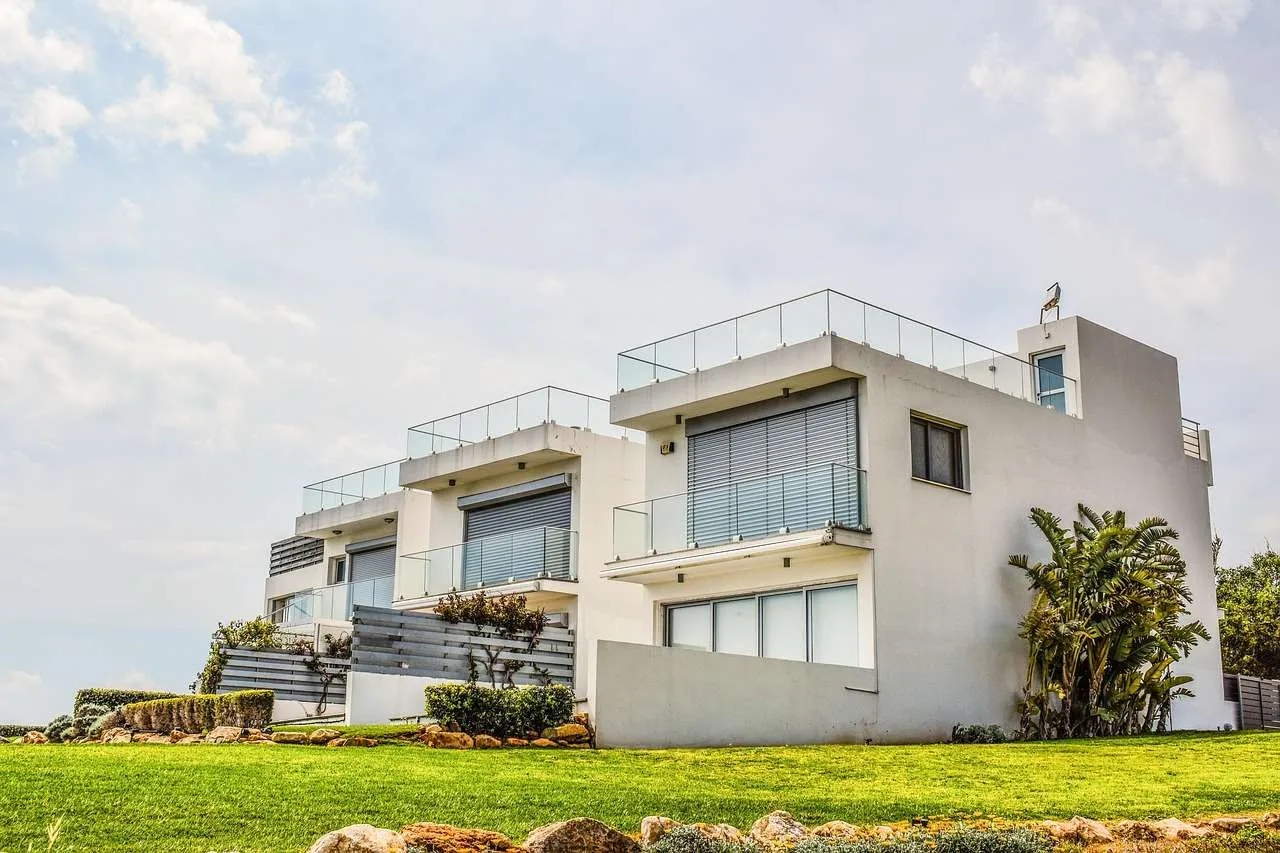
TPO roofing is a single-ply, thermoplastic membrane made from polyolefin blends. It is typically 40–60 mils thick and features a smooth or reinforced underside with a highly reflective, white surface on the weather-facing side. The seams are heat-welded or chemically joined to create a continuous, watertight system. TPO membranes are designed for low-slope and flat roofs commonly found on commercial buildings, multifamily housing, and some residential projects where a durable, lightweight, and energy-efficient option is desired.
Benefits of TPO Roofing
- Energy efficiency: The reflective white surface minimizes heat absorption, lowering cooling loads and reducing energy costs in hot climates.
- Cost-effectiveness: Typically lower installed costs than PVC and competitive with other single-ply systems, especially when factoring long-term energy savings.
- UV resistance and durability: Formulated to resist UV exposure, punctures, and weathering, with modern formulations improving longevity.
- Lightweight and flexible: Easier to install on existing structures and adaptable to various roof geometries; repairs can be performed without major substrate replacement.
- Low maintenance: When properly installed, TPO membranes require periodic inspections and minor maintenance to preserve performance.
Installation and Longevity Considerations
Correct installation is critical to realize TPO’s full potential. Substrate must be clean and dry, flashing details properly integrated around penetrations, and seams heat-welded with appropriate equipment. The lifespan of a TPO roof commonly ranges from 15 to 25 years, depending on thickness (40–60 mils), installation quality, climate, and maintenance. Warranty options typically cover material integrity and system installation for a specified period, often 15–20 years, with some manufacturers offering longer terms for reinforced membranes or enhanced installation methods.
Maintenance Tips
Maintenance is straightforward but essential. Regular inspections should focus on seam areas, flashings, penetrations, and any signs of wear or pooling water. Keep the membrane clear of debris that can trap moisture or cause wind uplift. After severe weather, inspect for membrane damage, punctures, or lifted edges. If necessary, schedule professional repairs or a reflective coating refresh as recommended by the manufacturer and your installer.
Cost and Savings
Costs for TPO roofing can vary based on thickness, membrane quality, roof size, geographic region, and labor rates. Typical installed costs range from roughly $5 to $8 per square foot for 40–60 mil membranes, with higher-end projects or complex roof geometries toward the upper end of that spectrum. While initial costs are important, consider long-term energy savings from high reflectivity, potential tax incentives or rebates, and the reduced life-cycle cost compared with some alternatives. When budgeting, ask for a detailed breakdown of material costs, warranty terms, and what is included in the installation (primer, seams, flashing, insulation, and disposal).
TPO vs. Alternatives: A Quick Comparison
Understanding how TPO stacks up against common roofing options helps in making an informed decision. The table below highlights key factors to compare when evaluating choices for flat or low-slope roofs.
| Roofing Type | Lifespan | Energy Efficiency | Durability | Typical Cost | Best Uses |
|---|---|---|---|---|---|
| TPO | 15–25 years | High reflectivity; energy savings | Good UV resistance; patchable | $5–$8 per sq ft installed | Flat or low-slope roofs; moderate climates |
| EPDM | 25–30+ years | Moderate reflectivity (depends on coating) | Excellent durability and flexibility | $4–$7 per sq ft installed | Low-slope roofs; wide climate range |
| PVC | 20–30+ years | Excellent reflectivity; strong heat resistance | High durability and chemical resistance | $7–$12 per sq ft installed | Roof areas with chemical exposure; hotspots |
| Asphalt Shingles | 15–30 years | Low to moderate; not ideal for flat roofs | Moderate durability | $3–$6 per sq ft installed | Residential pitched roofs |
Choosing a Reputable Installer
Because installation quality drives performance and warranty validity, select an installer with manufacturer-backed credentials and verifiable references. Ask about: completed projects similar in size and design, warranty terms (material and workmanship), adhesion and seam-welding methods, and your region’s climate considerations. Request a written proposal that includes scope of work, anticipated timeline, and post-installation maintenance requirements.
Conclusion and Next Steps
For flat or low-slope roofs, tpo roofing offers a compelling blend of energy efficiency, durability, and cost-effectiveness when properly installed and maintained. Compare membrane thickness, warranties, and contractor credentials, and plan for regular inspections to maximize performance. By choosing the right system and a qualified installer, you can achieve a reliable, long-lasting roof that helps manage cooling costs and protect your building.
Summary: This guide covered what TPO roofing is, its benefits, installation considerations, cost ranges, and how to compare it with alternatives. With proper installation, maintenance, and a trusted contractor, tpo roofing delivers durable, energy-efficient protection for flat and low-slope roofs.